Reflections
Why I chose adult-gerontology
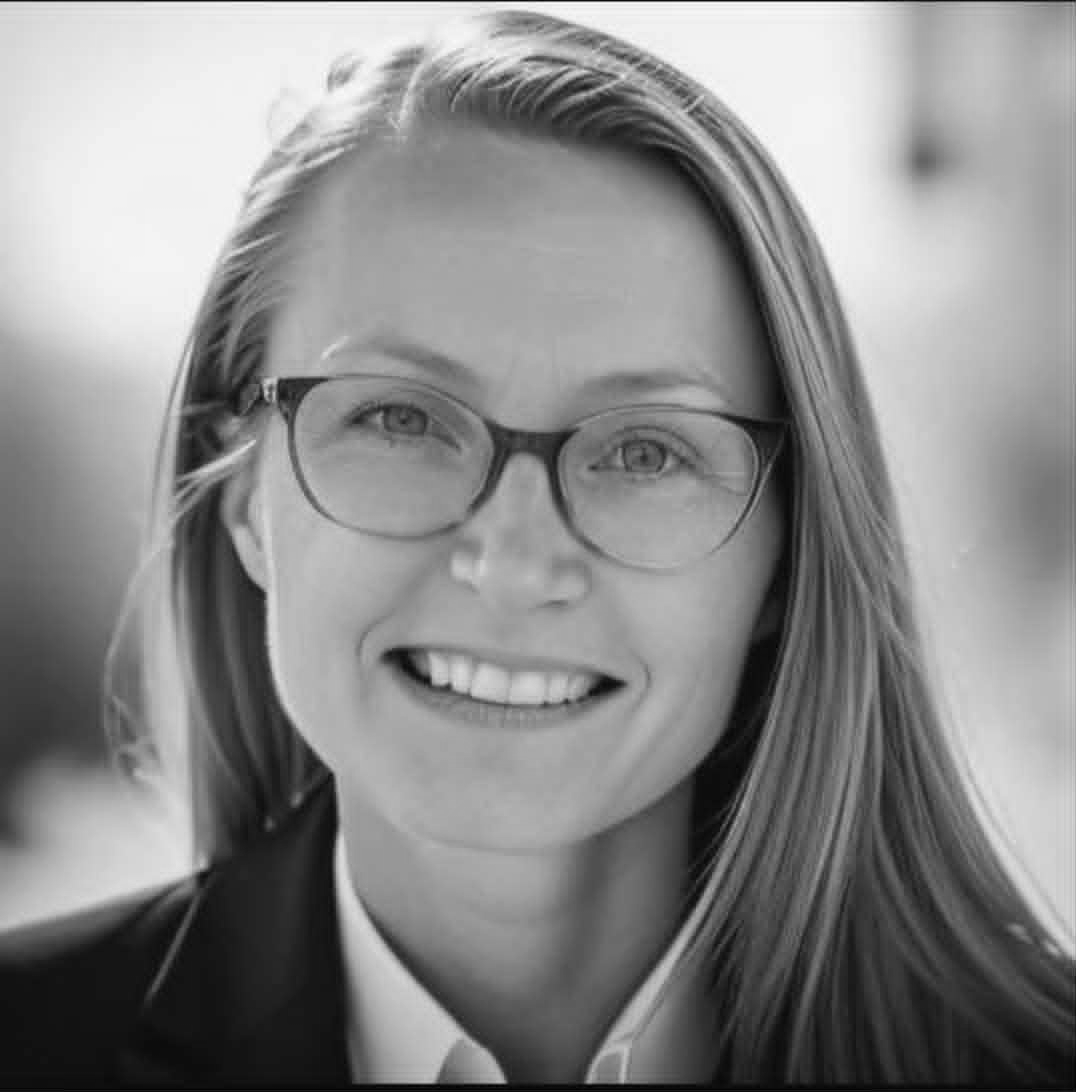
JayLee McGary
People ask me how I ended up in gerontology, and I think they expect a story about a door that closed. It was the opposite. This is the door I kept walking toward, even when other ones were held open for me.
My career started here. Not in a specialty I drifted into after something else did not work out, and not because it was the path of least resistance. It is not. It started here because this is where I felt most useful, most myself, and most certain that the work mattered.
The other doors
There were calls to go elsewhere. Acute teams at hospitals, where the pace is fast and the wins are loud. The NICU, with the tiny, impossibly cute babies and the kind of story that makes people lean in when you tell it at a dinner party. Those are good, hard, honorable jobs, and the nurses who do them have my full respect.
They just were not mine. Every time I sat with the choice, the pull did not move. It stayed pointed at the same people it has always been pointed at.
Where it actually started
I grew up watching my mom, and most of my family, spend their lives taking care of older adults. That was not a career choice I observed from a distance. It was the sound of the house. It was who came to dinner, who got picked up for appointments, whose name came up when someone was worried.
What I learned from all of that had very little to do with clinical skill and everything to do with posture:
- Dignity is not a bonus you add at the end. It is the whole point.
- Patience is a clinical tool. Rushing an older adult does not save time, it costs accuracy.
- The long view matters. You are not managing a single episode, you are walking alongside a person through a stage of life.
- Families are part of the care plan whether or not anyone writes them into it.
By the time I was choosing a specialty, I was not really choosing. I was naming something that had already been decided in me a long time ago.
Why adult-gerontology, specifically
"Gerontology" tends to make people picture the very end of life. Adult-gerontology is wider than that, and the width is the point. It covers the whole adult arc: the person at 55 juggling a new diagnosis alongside a full-time job, the person at 72 recovering from a hip and deciding whether they can go home, the person at 90 who wants fewer pills and more mornings that feel like their own.
It is also, honestly, the most complex work in the building. Later-stage adult care means:
- Several conditions at once, each one influencing the others.
- Medication lists long enough that the list itself becomes a risk.
- Transitions — hospital to facility, facility to home, home to hospital again — where the most information gets lost.
- Changes that look like "just aging" until someone slows down and finds the treatable thing underneath.
- A person under the chart whose goals may not match what the chart assumes.
That complexity is exactly why I wanted it. It rewards attention. It punishes autopilot. There is almost always something findable if you are willing to look, and the difference between looking and not looking shows up in someone's actual life within days.
The gap nobody talks about
Here is what strikes me every time: aging adults are marketed to relentlessly. Supplements, gadgets, plans, memberships, miracle everything. There is no shortage of people willing to sell to this group.
What is short is the other half. Resources genuinely built around quality of care and quality of life in the later stages. Not selling to aging adults. Building for them. Those two things get confused constantly, and the confusion costs people money, time, and sometimes health.
Being a big market and being well served are not the same thing.
What that looks like in a small town
I grew up in a small town, and the gap is wider there. Fewer specialists, if any. Longer drives for anything that requires one. Staff who are excellent and stretched painfully thin. Families carrying far more of the load than they should have to, often without anyone ever handing them a plain-language explanation of what is happening or what comes next.
None of that is a failure of the people doing the work. It is a failure of what has been built around them. When I picture who I am doing this for, I am picturing those places — the ones that rarely get the pilot program, the specialist, or the second opinion.
What I am doing about it
Everything I build comes back to the same two ideas: quality of care, and quality of life. They are not interchangeable, and both have to be there.
- My SNF consulting work is about making good care easier to deliver. Tightening the systems, the documentation, and the review habits so the standard holds on the hard days too, not just the well-staffed ones.
- Everwell Blue is the community side: a place for aging adults to have real conversations about living well, rather than being sold to.
- Blue Wellness is the product side, held to the standard I would want for my own family. A short list I actually believe in instead of a long one that pays well.
Different surfaces, one thread. I am still a DNP Student, and I am building this in the open as I go.
Why I keep choosing it
The people I care for have already done the hard parts of a life. They raised the families, worked the jobs, held the towns together. What they are handed in return is too often a system that treats their later years as a problem to be managed quietly and cheaply.
I want the opposite of that. I want later life to be a stage we actually plan for, resource well, and treat as worth the effort, because it is.
That is why gerontology. That is why adult-gerontology. It is the same call I saw in my mom, and it has never once pointed anywhere else.
Conversation
Reader notes
Loading…